Learn how to choose the right size avoids discomfort, unnecessary returns, and frustrating purchases. After all, each brand uses its own measurements.
In addition, the same size may vary depending on the cut, fabric, and shape of the item. Therefore, you need to compare your measurements with the manufacturer's size chart.
How to choose the right size using your measurements
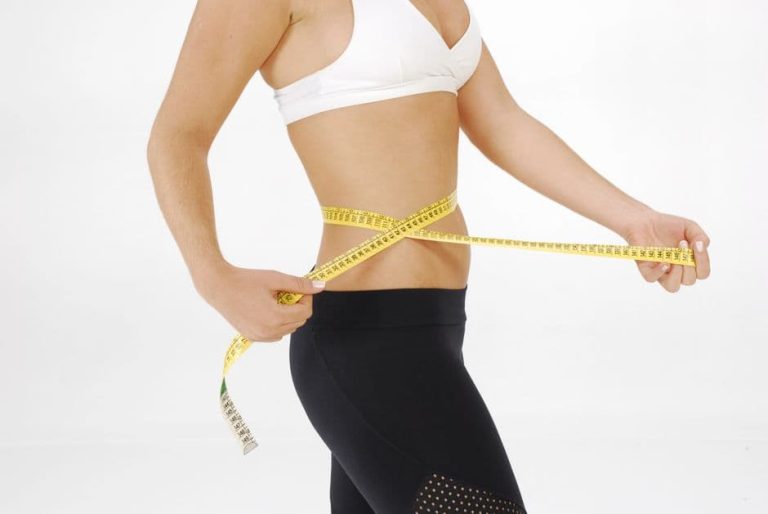
The first step is to measure your body with a flexible measuring tape. Keep the tape snug, but do not tighten it against your skin.
For clothing, record your bust, waist, hips, shoulders, and leg length. Then, write down all the values in centimeters.
Take the measurements while wearing light clothing or underwear. In addition, maintain a natural posture and ask for help measuring difficult-to-reach areas.
- Bust: run the tape around the widest part.
- Waist: measure the narrowest area of the torso.
- Hips: wrap the tape around the widest part of the buttocks.
- Leg: measure from the hip to the desired length.
How to choose the right size using the brand's size chart
The size chart works better than traditional sizing. Therefore, check it before adding the product to your cart.
Compare each measurement with the brand’s official size chart. If the manufacturer provides bust, waist, and hip measurements, check all of them.
When your measurements fall between two sizes, consider the fabric and fit. A fitted garment requires more attention, while a loose style allows for greater variation.
Also, check the instructions on the product page. Some stores indicate whether the fit runs small, large, tight, or loose.
How to choose the right size for each type of clothing
The type of garment changes how you assess the size. A T-shirt allows more flexibility, but a blazer requires precision in the shoulders.
For pants, prioritize the waist, hips, and length. However, the fabric also matters, especially when the garment does not contain elastane.
For dresses, compare the bust, waist, and hips. Therefore, choose the size that accommodates the largest measurement without restricting your movement.
- T-shirts: assess the shoulders, bust, and length.
- Pants: check the waist, hips, rise, and legs.
- Blazers: prioritize the shoulders, bust, and arm movement.
- Dresses: consider the largest body measurement.
How to choose the right shoe size
Footwear sizing varies between brands, shapes, and countries. Therefore, do not choose based solely on the size you previously wore.
Measure both feet at the end of the day, when they tend to have greater volume. Then, use the larger foot as your reference.
Place your foot on a sheet of paper and mark the heel and the longest toe. Measure the distance between these points and compare it with the brand's size chart.
Also, consider the type of sock and the space needed at the front. The footwear should hold your foot securely without compressing your toes.
To learn about general guidance on product assessment and safety, consult information from Inmetro. Then, always check the manufacturer's specific rules.
How to choose the right size when shopping online
Shopping online requires more attention because you cannot try the item on. Even so, some practices greatly reduce errors.
First, read reviews from other consumers. Look for comments about fit, elasticity, length, and differences between the size chart and the product.
Next, check the exchange policy before completing your order. Verify deadlines, shipping costs, and the conditions for returning the merchandise.
Additionally, save the page with the size chart. This way, you can compare the information if the description changes after the purchase.
If you still have questions, contact the store’s customer service. Provide your measurements and ask for a recommendation based on the selected model. To find more practical guidance, learn more here.
Common mistakes when choosing a size
Many people buy their usual size without checking the brand. However, this decision overlooks differences in fit and fabric.
Another mistake is measuring the body while wearing bulky clothing. This practice increases the measurements and may lead to choosing a larger garment.
Also avoid relying solely on height or weight. This information helps, but it does not replace bust, waist, hip, or foot measurements.
Frequently asked questions
How do I choose the right size when my measurements fall between two numbers?
Compare the fabric, cut, and purpose of the garment. For fitted or non-stretch models, consider the larger size. For loose-fitting garments, the smaller size may work better.
Can I use the same size across all brands?
No. Each brand defines its own fit. Therefore, consult the size chart and compare it with your current measurements before purchasing.
How to choose the right size for footwear purchased online?
Measure both feet at the end of the day and use the larger result. Then, compare the length with the brand’s size chart and check the exchange policy.
What to do when the store does not provide a size chart?
Look for reviews, photos, and information about the fit. In addition, talk to customer service before purchasing and confirm the exchange conditions.
Conclusion
Understanding how to choose the right size requires more than simply repeating a size. You need to measure your body, consult the size chart, and assess the fabric.
In addition, check reviews and exchange policies before purchasing. This way, you increase your chances of finding a comfortable, functional garment that fits your measurements.